
Finasteride Results: Before & After, Timeline, Effectiveness and Side Effects
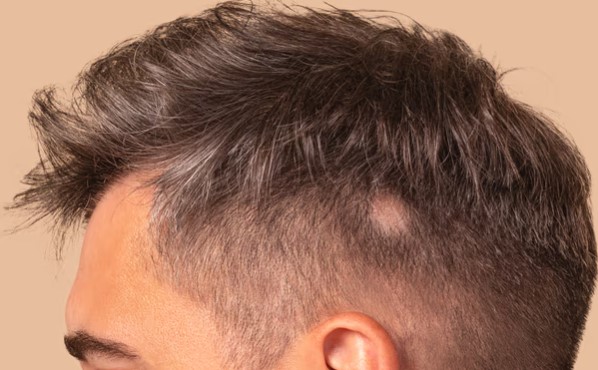
Finasteride is one of the most widely used prescription treatments for male pattern hair loss. It works by reducing dihydrotestosterone (DHT), a hormone involved in the gradual miniaturization of genetically sensitive hair follicles.
For many men, the main benefit of finasteride is not dramatic regrowth but slowing or stabilizing further hair loss. Some users also experience increased hair density or visible regrowth, particularly in areas where follicles are still active.
Results vary from person to person, and finasteride usually requires several months of consistent use before meaningful changes become noticeable.
This guide explains what finasteride results may look like over time, how effective the treatment can be, what happens after stopping treatment, and which side effects should be considered.
How Long Does Finasteride Take to Work?
Finasteride does not produce immediate results.
Hair grows slowly, and changes in the hair growth cycle take time. In many cases, several months of continuous treatment are needed before any visible improvement can be assessed.
A realistic timeline often looks like this:
Finasteride Results After 1 to 3 Months
During the first few months, many users will not notice a significant cosmetic difference.
At this stage, the treatment is mainly beginning to reduce DHT levels and influence the hair growth cycle.
Some people may notice less shedding, while others may see little or no visible change.
It is generally too early to judge whether finasteride is working after only a few weeks.
Finasteride Results After 3 to 6 Months
Between three and six months, some users begin to notice early improvements.
Possible changes may include:
- Reduced daily shedding
- Slower progression of thinning
- Improved hair texture
- Slightly thicker-looking hair
- Better coverage in areas that were beginning to thin
The American Academy of Dermatology notes that men may need around six months before they can tell whether finasteride is working for them. FDA Access Data
Finasteride Results After 6 to 12 Months
This is usually a more meaningful period for evaluating treatment.
By this stage, some users may notice:
- More stable hair density
- Reduced progression of male pattern hair loss
- Thickening of miniaturized hairs
- Visible improvement in the crown or mid-scalp
- Better overall coverage
Not everyone experiences obvious regrowth. For many men, simply maintaining the hair they already have can be considered a successful result.
Finasteride Results After 12 to 24 Months
Long-term use is generally more important than short-term use when evaluating finasteride.
Clinical studies of finasteride 1 mg for male pattern hair loss have shown improvements in hair count compared with placebo, and benefits can be maintained with continued treatment. FDA Access Data
The maximum cosmetic benefit may take more than one year to become apparent.
How Effective Is Finasteride for Hair Loss?
Finasteride is primarily used for androgenetic alopecia, also known as male pattern hair loss.
Its effectiveness is generally greatest when treatment begins before extensive follicle miniaturization has occurred.
Finasteride may help by:
- Slowing further hair loss
- Stabilizing thinning areas
- Preserving existing native hair
- Increasing hair thickness in some users
- Producing limited regrowth in some areas
It tends to work better in areas where hair follicles are still present but miniaturized.
Completely bald areas that have been without hair for many years are less likely to respond significantly.
What Do Finasteride Before and After Results Usually Look Like?
Finasteride before-and-after photos can sometimes create unrealistic expectations.
The most realistic changes are often subtle.
Rather than expecting a completely new hairline, users may notice:
- Better density
- Less scalp visibility
- Slower recession
- Improved crown coverage
- Thicker-looking existing hair
The biggest benefit may be preventing further deterioration.
For someone with progressive male pattern hair loss, maintaining the same appearance over several years can itself be a meaningful treatment success.
Does Finasteride Regrow Hair?
Finasteride can produce regrowth in some men, but regrowth is not guaranteed.
The response depends on factors such as:
- Age
- Duration of hair loss
- Degree of follicle miniaturization
- Genetics
- Area of hair loss
- Consistency of treatment
Users with early-stage thinning generally have a better chance of seeing improvement than those with advanced baldness.
The crown and mid-scalp may respond better than completely bald frontal areas.
Finasteride and Hair Transplant Results
Finasteride is commonly discussed in relation to hair transplantation because a hair transplant does not stop ongoing male pattern hair loss.
Transplanted hairs are usually taken from the permanent donor area at the back and sides of the scalp, where follicles are more resistant to DHT.
However, the native, non-transplanted hair surrounding the transplant can continue to thin.
For this reason, some hair transplant surgeons may recommend finasteride to appropriate patients before or after a hair transplant.
The goal is usually not to protect the transplanted grafts themselves, but to help preserve the patient’s existing native hair.
This may contribute to a more stable long-term cosmetic result.
Whether finasteride is appropriate after a hair transplant should be discussed with a qualified physician.
Can Finasteride Prevent the Need for a Hair Transplant?
In some men with early-stage hair loss, finasteride may delay or reduce the need for surgery by stabilizing hair loss.
However, it cannot recreate follicles that are already permanently lost.
Patients with advanced recession or large bald areas may still require a hair transplant if they want significant cosmetic restoration.
A common long-term approach may involve combining:
- Medical treatment to preserve native hair
- Hair transplantation to restore areas of permanent loss
This should always be individualized.
What Happens If You Stop Taking Finasteride?
Finasteride only works while treatment is continued.
If treatment is stopped, DHT levels return toward their previous level and male pattern hair loss can begin progressing again.
Hair that was preserved or improved because of finasteride may gradually be lost over time.
This does not mean finasteride permanently worsens hair loss. Instead, the protective effect of the treatment is removed.
For this reason, finasteride is generally considered a long-term treatment.
Possible Finasteride Side Effects
Like any prescription medication, finasteride can cause side effects.
In controlled clinical studies of finasteride 1 mg for male pattern hair loss, reported sexual side effects included:
- Decreased libido: 1.8% with finasteride vs 1.3% with placebo
- Erectile dysfunction: 1.3% vs 0.7%
- Ejaculation disorder: 1.2% vs 0.7%
The FDA labeling also lists other post-marketing reports, including depression, breast tenderness or enlargement, hypersensitivity reactions and testicular pain. FDA Access Data
Side-effect risk varies between individuals.
Patients considering finasteride should discuss their medical history, medications and concerns with a qualified healthcare professional before starting treatment.
Does Finasteride Cause Permanent Side Effects?
Some patients have reported symptoms that continued after stopping finasteride.
However, the frequency, causes and mechanisms of persistent symptoms remain areas of ongoing medical discussion and research.
Anyone experiencing significant side effects should contact their prescribing physician rather than stopping or changing treatment without medical advice.
Oral Finasteride vs Topical Finasteride
Oral finasteride is the best-established form and is available as an FDA-approved treatment for male pattern hair loss in men.
Topical finasteride has become increasingly popular, particularly through compounded products and telemedicine providers.
However, the FDA states that there is currently no FDA-approved topical finasteride formulation in the United States. The agency has also warned that compounded topical finasteride can still be absorbed systemically and has been associated with adverse-event reports. U.S. Food and Drug Administration
Topical does not automatically mean risk-free.
Patients should discuss the differences between oral and topical treatment with a qualified healthcare professional.
Finasteride vs Minoxidil
Finasteride and minoxidil work differently.
| Feature | Finasteride | Minoxidil |
|---|---|---|
| Main role | Reduces DHT-related hair loss | Supports hair growth |
| Primary use | Male pattern hair loss | Several types of hair thinning |
| Typical form | Oral prescription tablet | Usually topical |
| Main goal | Slow hair loss and preserve hair | Stimulate or support growth |
| Can they be combined? | Yes, when medically appropriate | Yes, when medically appropriate |
Some patients may achieve better results using both treatments than using either one alone.
Treatment should be personalized according to the cause and stage of hair loss.
Who May Benefit Most From Finasteride?
Finasteride may be most useful for men who:
- Have early or moderate male pattern hair loss
- Still have miniaturized hair in thinning areas
- Want to slow future hair loss
- Are considering a hair transplant
- Want to preserve native hair after a transplant
It may be less effective in areas that have been completely bald for many years.
Who Should Talk to a Doctor Before Using Finasteride?
Finasteride is a prescription medication and should be used under medical supervision.
A healthcare professional should review:
- Your pattern of hair loss
- Other medical conditions
- Current medications
- Fertility concerns
- Sexual-health concerns
- Mental-health history
- Family planning considerations
Women who are pregnant or may become pregnant should not handle crushed or broken finasteride tablets because exposure can pose a risk to a male fetus. U.S. Food and Drug Administration
Finasteride Results: What Is a Realistic Expectation?
The most realistic goal is often hair preservation rather than dramatic regrowth.
A good response may mean:
- Hair loss slows considerably
- Existing hair remains stable
- Thin hairs become thicker
- Crown density improves
- A future hair transplant can be planned more predictably
Finasteride works best when treatment begins before extensive permanent hair loss has occurred.
Frequently Asked Questions
How long does finasteride take to work?
Some users may notice early changes after three to six months, but a more meaningful assessment often requires six to twelve months.
Does finasteride regrow hair?
It can produce regrowth in some users, but its main role is slowing hair loss and preserving existing hair.
Does finasteride work for everyone?
No. Individual response varies according to genetics, stage of hair loss and other factors.
Is finasteride permanent?
No. Its benefits generally depend on continued treatment.
Can finasteride be used after a hair transplant?
Yes, it is sometimes prescribed after hair transplantation to help preserve non-transplanted native hair.
Is finasteride better than minoxidil?
They work through different mechanisms and are often used for different purposes. In some cases, they may be combined.
Can finasteride cause sexual side effects?
Yes. Sexual side effects have been reported, although rates in controlled clinical trials were relatively low. FDA Access Data
Is topical finasteride safer than oral finasteride?
It should not automatically be considered risk-free. The FDA has warned that compounded topical finasteride can be absorbed systemically, and there is currently no FDA-approved topical finasteride product in the United States. U.S. Food and Drug Administration
Final Thoughts
Finasteride can be an effective long-term treatment for men with androgenetic alopecia, particularly when treatment begins before extensive hair loss occurs.
The best results are usually achieved by setting realistic expectations.
For many users, success means:
- slowing future hair loss,
- preserving native hair,
- improving density,
- and maintaining a more stable appearance over time.
Finasteride is a prescription medication and is not suitable for everyone. Anyone considering treatment should discuss the potential benefits and risks with a qualified healthcare professional.
Medical Disclaimer
This article is for general educational purposes only and does not provide medical diagnosis, treatment or individual medical advice. Prescription medications such as finasteride should only be used under the guidance of an appropriately qualified healthcare professional.