
Hair Transplant Turkey Reviews: Real Patient Experiences & What to Check
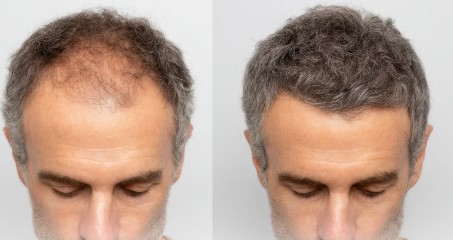
This guide explains how to assess hair transplant reviews from Turkey: what a patient account documents, which details need corroboration and which questions to take to a clinic.
A star rating, positive comment or striking photograph does not establish a clinic’s usual outcomes, the team assigned to a future procedure or whether treatment is appropriate for an individual.
Start with the hair transplant case finder or historical patient-case archive. Treat entries as records to examine, with their own source and timing limits.
Why Hair Transplant Reviews Matter
Hair transplantation is difficult to evaluate before surgery.
You cannot judge the final result on the day of the procedure.
Hair growth takes months.
For this reason, patient experiences can provide useful information about:
- clinic organization,
- communication,
- surgeon involvement,
- donor management,
- postoperative care,
- hairline design,
- density,
- and long-term results.
However, reviews should never be your only source of information.
A clinic can have excellent online ratings and still be unsuitable for your individual case.
What Makes a Hair Transplant Review Useful?
A useful review separates the patient’s recollection from supporting records and makes unknowns visible. Check for:
- The clinic, procedure date and named physician or team, with the source of each detail.
- A reported graft count, donor sources and treatment areas; distinguish an operative record from an estimate or a number repeated in a title.
- The original account or identifiable source, plus any disclosed incentive or clinic involvement in producing the review.
- Comparable photographs with a stated follow-up interval and an explanation of where that interval comes from.
- Relevant patient history, including earlier procedures, medication use and cosmetic products that may affect the comparison.
- The patient’s concerns, the response received and what remains unresolved.
Missing information limits the conclusions a review supports. It does not by itself show that the account is false.
Hair Transplant Reviews: Before Surgery
The consultation process can tell you a lot about a clinic.
Patients should pay attention to whether the clinic discusses:
- future hair loss,
- donor limitations,
- realistic graft numbers,
- hairline design,
- medications,
- and long-term planning.
A consultation focused only on price and booking speed may be a warning sign.
Useful review questions include:
- Did a doctor examine the donor area?
- Was the hairline discussed properly?
- Was the patient told who would perform each surgical stage?
- Was the graft number explained?
- Were risks and limitations discussed?
Reviews About Surgeon Involvement
Record who the patient says performed hairline planning, donor incisions, extraction, recipient-site creation and implantation. Note the procedure date and whether the account names each person’s professional role. A patient’s recollection of an earlier procedure does not establish the team or responsibilities included in a current offer.
Hair Transplant Reviews and Donor-Area Photographs
Look for views of the back and sides as well as the recipient area. Record visible differences under comparable lighting, hair length and angles. A photograph showing patchiness or apparent thinning cannot by itself establish overharvesting, permanent damage, the cause of a change or the remaining donor capacity. Those questions require an appropriately qualified clinician’s assessment and relevant history.
Use the images to prepare questions about the donor plan and follow-up, alongside our donor-area guide.
How to Evaluate Before-and-After Photos
Compare camera angle, lighting, hair length and style, wet or dry hair, and any disclosed fibers, concealers or pigmentation. Seek several views of both donor and recipient areas. A difference in appearance is not a measurement of graft survival.
Keep three kinds of dates separate
- Photograph timing: the image’s stated capture date or postoperative interval, with its source. A label printed on an image is a source statement, not independent verification.
- Written account timing: when the patient says they wrote the update, such as day 14. This does not automatically date every photograph attached to it.
- Publication or upload timing: when the website published the entry or stored the image. Neither establishes the operation date or clinical follow-up interval.
Mark an interval as unknown when the record does not establish it. Do not derive it from a filename, article date or the apparent amount of hair growth.
Hair Transplant Reviews After 3 Months
Use a dated three-month account to understand the patient’s experience so far, rather than to declare a final result. The NHS hair transplant guide says new hair usually starts to appear after about four months and full results should be seen after 10–18 months. These are general timelines, not guarantees for an individual.
Hair Transplant Reviews After 6 Months
Six-month documentation can add an intermediate comparison with the starting photographs. Check that the interval is documented and conditions are comparable; the label alone does not establish a completed result or a graft-survival percentage.
Hair Transplant Reviews After 12 Months
A documented twelve-month account can provide a later view of appearance and patient satisfaction. Twelve months falls within the NHS’s 10–18-month range, so it should not automatically be labelled final for every patient. Read any subsequent updates and keep clinical assessment separate from the patient’s photographic record.
Positive Hair Transplant Reviews: What Should They Show?
Separate satisfaction with communication and travel arrangements from the documented appearance of the result. For a useful comparison, seek a known follow-up interval, similar photographic conditions, donor views and relevant patient history.
A patient can describe satisfaction with styling, coverage or hairline appearance. Those observations do not by themselves establish graft survival, the clinic’s average success rate or long-term stability. Earlier procedures, medication and cosmetic products should remain part of the context when they are disclosed.
Concerns Described in Hair Transplant Reviews
Read the specific concern, its date, the evidence supplied and the clinic’s response. Examples to investigate include:
- Dissatisfaction with coverage, hairline appearance or hair direction.
- Concern about donor-area appearance or possible scarring.
- Unclear surgical responsibilities or a difference between the promised and reported team.
- Unexpected charges, communication difficulties or problems arranging follow-up.
This list is not a ranking of complaint frequency. Similar reports can prompt questions, but check whether they describe different patients, the same time period and the same procedure or team. Reposted versions of one account should not be counted as separate evidence.
Hairline and density concerns
Compare what the written plan promised with what the patient reports, the documented follow-up and the starting condition. Ask the clinician to explain treatment-area coverage, donor limitations and the longer-term plan. Photographs alone cannot determine whether the clinical plan was appropriate.
Donor-area concerns require clinical interpretation
Keep a patient’s report of suspected overharvesting separate from a diagnosis. Comparable photographs may document an appearance that warrants discussion; they do not establish permanence, cause or how much donor supply remains. Record any clinical assessment if the patient supplies one, including its source and date.
Hair Transplant Turkey Reviews: FUE
When an account uses the FUE label, look for the reported extraction approach, donor sources, treatment areas and the person responsible for each surgical stage. Treat technical details and graft counts as source statements unless supporting records are provided. A technique name does not establish an outcome.
Hair Transplant Turkey Reviews: DHI
Ask what the provider means by DHI in that particular package, including how grafts are obtained and placed and who performs those stages. Compare dated photographs under similar conditions, donor views and the patient’s relevant history. Do not infer a survival percentage or superiority from an implanter label or photographs.
For the practical questions to put in a quotation, see DHI hair transplant in Turkey: prices and booking questions.
Compare Documented Roles and the Current Offer
Clinic size, package price and marketing labels do not establish who performed a patient’s procedure or who will perform yours. Use the same questions for each provider.
| Review detail | What to record | What to request now |
|---|---|---|
| Surgical stages | The named person and reported role for planning, donor incisions, extraction, recipient sites and implantation. | The assigned professional and responsibility for each stage, in writing. |
| Date and team | The procedure date, team names and whether they are a patient recollection or documented record. | The team for the proposed booking and how substitutions are handled. |
| Schedule | Any stated number of treatment days or simultaneous cases, with its source and scope. | The proposed schedule and how the responsible clinician’s work is organised. |
| Follow-up | What contact or review the patient says occurred, and when. | Named contacts, scheduled reviews and arrangements for unexpected concerns. |
A historical staffing account is not confirmation of current practice. Unanswered questions should remain visible in the comparison rather than being filled in from assumptions about clinic volume or price.
Google Reviews, Forums and Social Media
Assess what each individual record contains rather than assuming that its platform establishes reliability.
- Rating platforms: check the review date, treatment details and whether the writer is describing service or a later result.
- Forums: look for the original thread, dated updates, patient history and donor photographs. A detailed account still represents an individual experience.
- Clinic or social-media galleries: identify who selected and supplied the images, which follow-up intervals are shown and what context is missing.
Cross-check sources and watch for the same account or photographs being republished. The platform and length of a review do not prove authenticity or independence.
What Might Prompt an Authenticity Check?
Repeated wording, clustered publication dates, promotional language, limited treatment detail or an undisclosed relationship are reasons to investigate further. They are not proof that a review is fabricated, incentivised or false.
Seek the original account, check any available dates and ask about disclosed incentives. An account written soon after surgery can describe communication or the procedure-day experience; its early timing does not make it fake and cannot establish the eventual cosmetic outcome.
What Longer Follow-Up Can Add
Dated updates over time can document changes in appearance, subsequent treatment and whether the patient’s assessment changes. Read them with the follow-up timeline above; a nine- or twelve-month label alone is not proof of a final outcome.
Keep transplanted-area photographs, surrounding hair, donor appearance and any reported medication or further procedure in context. Do not convert one patient’s longer record into a clinic-wide success rate.
How Many Reviews Should You Read?
There is no fixed number that establishes a clinic’s quality. Compare records with different assessments and documented dates, checking whether they concern distinct patients and relevant teams. Note which questions remain unanswered.
A repeated concern deserves investigation when its underlying sources are identifiable. The number of search results or archive entries is not a count of independent clinical outcomes.
Questions to Ask After Reading Reviews
Once you have shortlisted a clinic, ask:
- Who will design my hairline?
- Who performs extraction?
- Who creates recipient sites?
- Who performs implantation?
- How many patients are treated that day?
- How many grafts do you recommend?
- How much donor capacity will remain?
- What happens if my native hair continues to thin?
- What follow-up is included?
- What happens if growth is poor?
A strong clinic should answer clearly.
How to Read Price and Package Claims in Reviews
A price in a patient account belongs to that person’s reported booking and date. It does not establish today’s price, the staffing model or the quality of treatment. Compare the record with a current written quotation using the same fields.
| Field | What to establish |
|---|---|
| Price and date | The original amount, whether it was paid or quoted, the quote date and its validity period. |
| Currency and conversion | The original currency; if comparing converted amounts, record the exchange-rate date and any stated payment or conversion fees. |
| Procedure scope | The proposed treatment areas, graft-count basis, number of sessions and named surgical responsibilities. |
| Travel package | Included accommodation nights, transfers, translation, companion costs and extra-night charges. |
| Clinical follow-up | Included tests, medicines, reviews and the terms for additional assessment or care. |
| Changes and payment | Deposit, remaining balance, cancellation or rescheduling terms, and what happens if the plan changes after examination. |
Use our total-trip budget checklist and written-offer and pre-booking checklist. Separate the services included in a package from the evidence about the medical plan.
Hair Transplant Turkey Review Checklist
Before choosing a clinic, review the following:
Clinic
- Is the clinic properly licensed?
- Is the medical team clearly identified?
- Is the physician visible and verifiable?
Surgeon
- Who performs each surgical stage?
- How experienced is the surgeon?
- How many procedures are performed each day?
Results
- Are there long-term cases?
- Are donor photos available?
- Are photographs consistent?
Planning
- Is future hair loss discussed?
- Is donor capacity assessed?
- Is the proposed hairline conservative?
Price
- What is included?
- Are there additional charges?
- Is the quote written?
Aftercare
- Who handles follow-up?
- How long does support continue?
- What happens if there is a complication?
Historical Case Archives on HairTransplantInTurkey.org
The archive inventory checked on 19 October 2026 contained 169 entries. This is a page count, not a count of verified independent patients: some records may overlap or describe the same underlying case. Recorded graft totals, dates, roles and photographic follow-up vary in how they are sourced.
Use the case finder or browse the patient-case archive by clinic and city. Check each entry’s evidence and unknowns before comparing it with another.
Examples from the historical patient archive
These four records illustrate different questions to investigate. Their descriptions are patient-reported archive information, not verified clinic success rates.
- Bilgehan Aydın: reported 4,369-graft procedure — describes the December 2020 operation and early recovery images.
- Dr. Serdar Gökrem: reported 3,400-graft manual FUE case — includes archived information about procedure time and cost.
- Dr. Hakan Doğanay: two operations totaling 8,384 grafts — illustrates why staged procedures must not be treated as one session.
- Dr. Sibel Ulusan: 12-month patient review — includes the patient’s own mixed assessment and density concerns.
Keep the written report’s timing separate from each image’s documented interval. Compare lighting, angle and hair length, and preserve mixed or dissatisfied patient assessments alongside positive ones.
ASMED Profile and Related Patient Archives
The ASMED / Dr. Koray Erdogan profile brings together provider background and links to historical case records. Evaluate the source and timing of each statement rather than treating the number of entries as a measure of clinical quality.
Compare Published Clinic Information
Our clinic comparison table and primary-source methodology records six providers’ published information, roles described by their sources and questions that remain to be confirmed. The guide distinguishes provider statements from independent checks and explains its facility-verification limits.
The hair transplant planner offers illustrative graft and cost scenarios using stated assumptions. Its output is not a clinical assessment or confirmation of a review’s reported graft count.
Use Reviews to Prepare Specific Questions
Bring together dated patient accounts, comparable photographs, identifiable professional and facility information, and the proposed written treatment plan. Record what each source establishes and what remains unverified.
Use that record to ask about the assigned team, donor assessment, realistic treatment goals, costs and follow-up. An online rating or a selected gallery cannot determine individual suitability for surgery.
Frequently Asked Questions
What makes a hair transplant review useful?
An identifiable source, specific treatment details, relevant patient history and photographs with documented timing. Detail improves what can be checked; it does not independently verify the account.
Where should I read reviews?
Compare original patient threads, rating-platform accounts, clinic galleries and historical archives. Check who supplied the material and whether different pages repeat the same underlying case.
What can an early five-star review tell me?
It may describe communication, logistics or the procedure-day experience. Check its date before treating it as a report of later growth.
Do repeated phrases or clustered reviews prove that reviews are fake?
No. They can prompt further investigation, but do not establish fabrication or undisclosed incentives. Seek the underlying account and available disclosures.
What concerns should I investigate in reviews?
Look for the evidence behind concerns about appearance, donor changes, staff roles, charges or follow-up. This guide does not measure how frequently each concern occurs. Suspected complications or permanent damage require clinical assessment.
When does a review show the final result?
The NHS guide gives a general full-result range of 10–18 months. A nine- or twelve-month label alone does not establish a final outcome. Verify each photograph’s interval and distinguish it from the timing of the written account or upload.
Are several negative reviews proof of poor treatment?
No. Check whether the reports concern distinct patients, when they occurred, what evidence is supplied and how the concerns were addressed. Repeated, identifiable accounts can help frame questions without establishing a clinic-wide outcome rate.
Can reviews tell me whether a clinic is suitable for me?
Reviews can inform questions, but they cannot replace assessment of your circumstances by an appropriately qualified clinician or verification of the proposed provider and team.
Editorial Note
HairTransplantInTurkey.org is an independent informational website. Patient experiences vary, and online reviews should not be treated as medical advice or guarantees of future outcomes.
Medical Disclaimer
This content is for general educational purposes only. Hair transplantation is a medical procedure and should be discussed with an appropriately qualified healthcare professional.