Who Is Not a Good Candidate for a Hair Transplant?
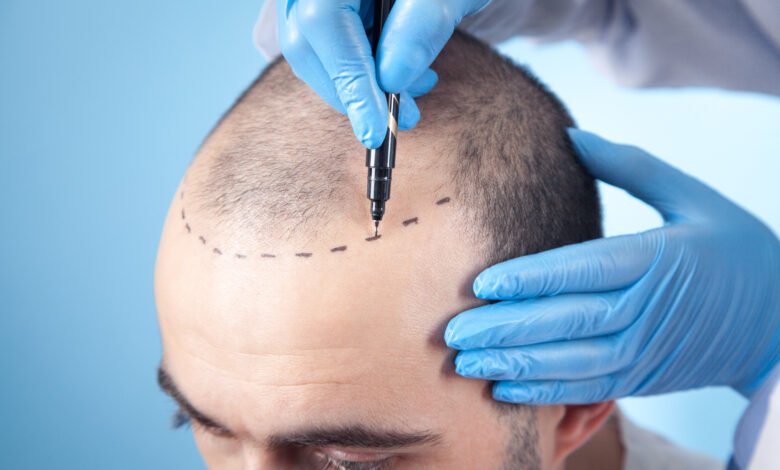
Being offered a package does not establish that you are a suitable surgical candidate. A clinical consultation should explain the cause of hair loss, whether surgery fits that diagnosis and what the available donor hair can achieve.
Start with a diagnosis
Hair loss has different causes. The American Academy of Dermatology describes an examination and, when indicated, further testing as part of determining suitability. Do not use a photograph-based calculator to decide whether an unexplained patch or sudden shedding should be transplanted.
Ask the clinician to record the diagnosis and why the proposed treatment fits it. If a provider cannot explain this, request a medical assessment before comparing prices.
Insufficient or uncertain donor supply
Ask whether there is enough healthy donor hair for the intended coverage and whether earlier surgery has reduced the available reserve. The need for more coverage does not itself create more usable donor hair. If the plan cannot explain this limit, obtain another assessment.
Our graft-planning guide explains the questions behind the number. A larger count is not automatically a more suitable plan.
Hair loss that needs further assessment
A clinician may postpone surgery while evaluating the pattern or a scalp condition. Younger patients may also be advised to address ongoing loss before committing to a long-term surgical design. This is a planning decision, not evidence that a different clinic offering immediate surgery is better.
Medical history and medications
Bring a full list of medicines, supplements, allergies and relevant conditions. Do not stop prescribed treatment on your own to satisfy a booking checklist. Ask who decides whether you can proceed and how the clinic coordinates with your usual healthcare professional when needed.
Expectations that the donor cannot meet
A fuller appearance and restoration of the original density across every region are different goals. Ask the surgeon to identify the intended coverage and the limits of the plan. Discuss how further native-hair loss might change the appearance in future years.
Previous transplantation
A repeat procedure needs an assessment of earlier harvesting, scars and remaining hair. Save old graft reports and photographs. Our repair-surgery guide helps organise the records for an independent consultation.
Questions for a second opinion
- What diagnosis do you agree or disagree with?
- What specific finding limits surgery?
- Would medical treatment or observation change the plan?
- What result is achievable without exceeding donor limits?
- Which alternatives should I consider?
If surgery is not appropriate, investigate options through our hair-loss and alternatives section. A responsible decision can include waiting, another treatment or choosing not to have surgery.
Practical takeaway: Ask for a documented diagnosis and donor assessment before discussing surgery; postponement may be a reasonable clinical outcome.
Why delaying surgery may be the safer decision to discuss
Some consultations appropriately end without a booking. That can reflect an uncertain diagnosis, an active scalp problem, insufficient donor supply, medical factors needing assessment or an expectation that the available donor hair cannot reasonably meet. A responsible website should explain these possibilities without diagnosing strangers from photos.
| What the consultation finds | Question for the clinician |
|---|---|
| Cause of hair loss not yet clear | What examination or investigations are needed before planning surgery? |
| Possible continuing loss | How does future thinning affect the proposed hairline and donor reserve? |
| Previous extraction or limited donor supply | What coverage is realistic and what alternatives exist? |
| Medicines or relevant medical conditions | Who should review risks, interactions and surgical suitability? |
| Expectations beyond achievable coverage | Can the physician explain the likely limitations in ordinary language? |
What a good second opinion looks like
Bring the first clinic’s written explanation, dated photographs, previous surgical records and a complete list of medicines and relevant conditions. Ask the second clinician to explain areas of agreement and disagreement instead of simply asking for a larger graft quote. If the two assessments differ, understand why before paying a deposit. A marketing offer cannot override an individual medical evaluation.
The American Academy of Dermatology’s hair transplant overview explains why a suitable candidate needs healthy donor hair and realistic expectations. It also notes that a dermatologist can help establish the cause of hair loss. Use this as context, not a tool for deciding that an individual person is unsuitable without examination.
When a consultation should pause before a booking
Hair loss has several causes, and a transplant moves existing follicles rather than treating every cause of shedding. If the pattern is unusual, rapidly changing or accompanied by scalp symptoms, ask what diagnosis is being considered and whether further examination is needed. Donor supply, previous surgery, medicines and overall health also belong in the assessment. The right next step may be observation, medical evaluation or another option rather than immediate surgery.
Ask for the clinician’s reasoning in writing and bring it to a second opinion if the recommendation is unclear. The AAD candidate guide describes examination and donor-hair requirements and cautions that a full head of hair may not be a realistic goal. An online checklist cannot decide whether an individual is suitable.
Sources and editorial information
Sources checked: 13 October 2026. Read our editorial approach. This is an educational overview, not a diagnosis or a personalised postoperative or medication plan.