Dr. Serkan Aygın 4000 Grafts: May 2023 Patient Case

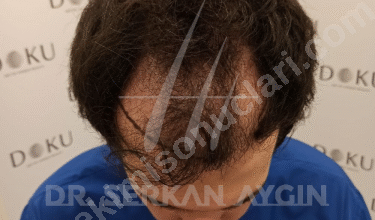
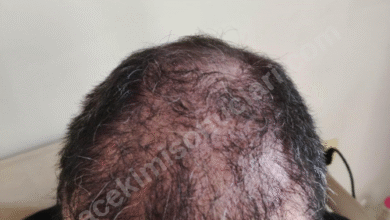
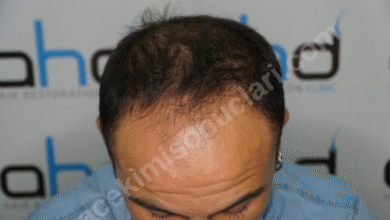
Real patient case: This archive documents a 4,000-graft Serkan Aygın case dated 16 May 2023.
Case Summary
- Clinic: Serkan Aygın
- Grafts: 4,000
- Procedure date: 16 May 2023
- Patient concern: whether finasteride/Proscar is necessary after transplant
The medication questions in the original post are the patient’s own concerns. They should not be read as medical advice or proof that medication is required for transplant growth. For broader treatment context, see our finasteride results guide and hair transplant reviews guide.
How to Interpret This Patient Case
This page is an archived patient case rather than a controlled clinical study. Graft count, technique, timing, pricing and patient impressions should be read as historical case details only where they were recorded in the original account. Hair-transplant outcomes vary with donor density, hair calibre, recipient-area size, surgical planning, healing and the progression of future hair loss.
When comparing this case with another result, look at the starting hair-loss pattern, donor appearance, lighting, hair length and the exact follow-up point. Early postoperative photographs mainly document placement and healing, while later photographs are more useful for judging cosmetic growth.
Useful Points to Compare
- Starting hair-loss pattern and donor density
- Reported graft count and recipient-area coverage
- Donor extraction pattern and visible thinning
- Hairline design, direction and density distribution
- Time elapsed between surgery and each photograph
Serkan Aygın May 16, 2023 – 4000 Grafts
Hello, everyone. I had a hair transplant, and the big question on my mind is: Is it absolutely necessary to use DHI-inhibiting medications like Finasteride or Proscar to ensure the transplanted hair grows stronger and more “PERMANENTLY” than natural results? Is it a requirement? Or will we still achieve the same results even if we don’t use them, just that the process will be slower without medication? Can we say that the final result is the same, but the process is more aggressive with medication and slower without it? I asked 50 people working in this field, and everyone gave vague answers. There’s no clear answer. I’d appreciate it if you could provide your insights.