Hair Transplant Techniques: FUE, DHI & FUT Explained

Hair transplantation is usually discussed in terms of three familiar names: FUE, DHI and FUT. In practice, however, these labels describe different parts of the procedure rather than three completely separate operations. The right approach depends on the donor area, the pattern of hair loss, the number and quality of available grafts, and the experience of the medical team.
FUE, DHI and FUT at a glance
Important terminology: FUE and FUT primarily describe how grafts are obtained, while DHI commonly describes an implantation approach. Clinic packages may combine these methods, and none of the labels guarantees graft survival, density or an aesthetic outcome. Our clinic selection checklist explains what else to evaluate.
| Technique | How grafts are handled | Typical considerations |
|---|---|---|
| FUE | Follicular units are removed individually from the donor area. | No linear strip scar; widely used for modern hair transplantation. |
| DHI | Usually uses FUE extraction, with grafts implanted using an implanter pen. | Can offer precise placement, but the result still depends heavily on planning and technique. |
| FUT | A strip of scalp is removed and divided into follicular units. | Leaves a linear donor scar and is used less often today, though it can still be appropriate in selected cases. |
What is FUE?
FUE, or Follicular Unit Extraction, is the most commonly used graft-harvesting method in modern hair transplantation. Instead of removing a strip of scalp, individual follicular units are taken from the donor area, usually from the back and sides of the head.
The extraction step may be performed manually or with a motor-assisted punch. The choice is less important than careful graft handling, appropriate punch size, donor-area planning and the skill of the person performing the extraction.
Manual FUE extraction
In manual extraction, a small punch is rotated by hand around the follicular unit before the graft is removed. This gives the operator direct control over each extraction, although it can take longer in larger sessions.
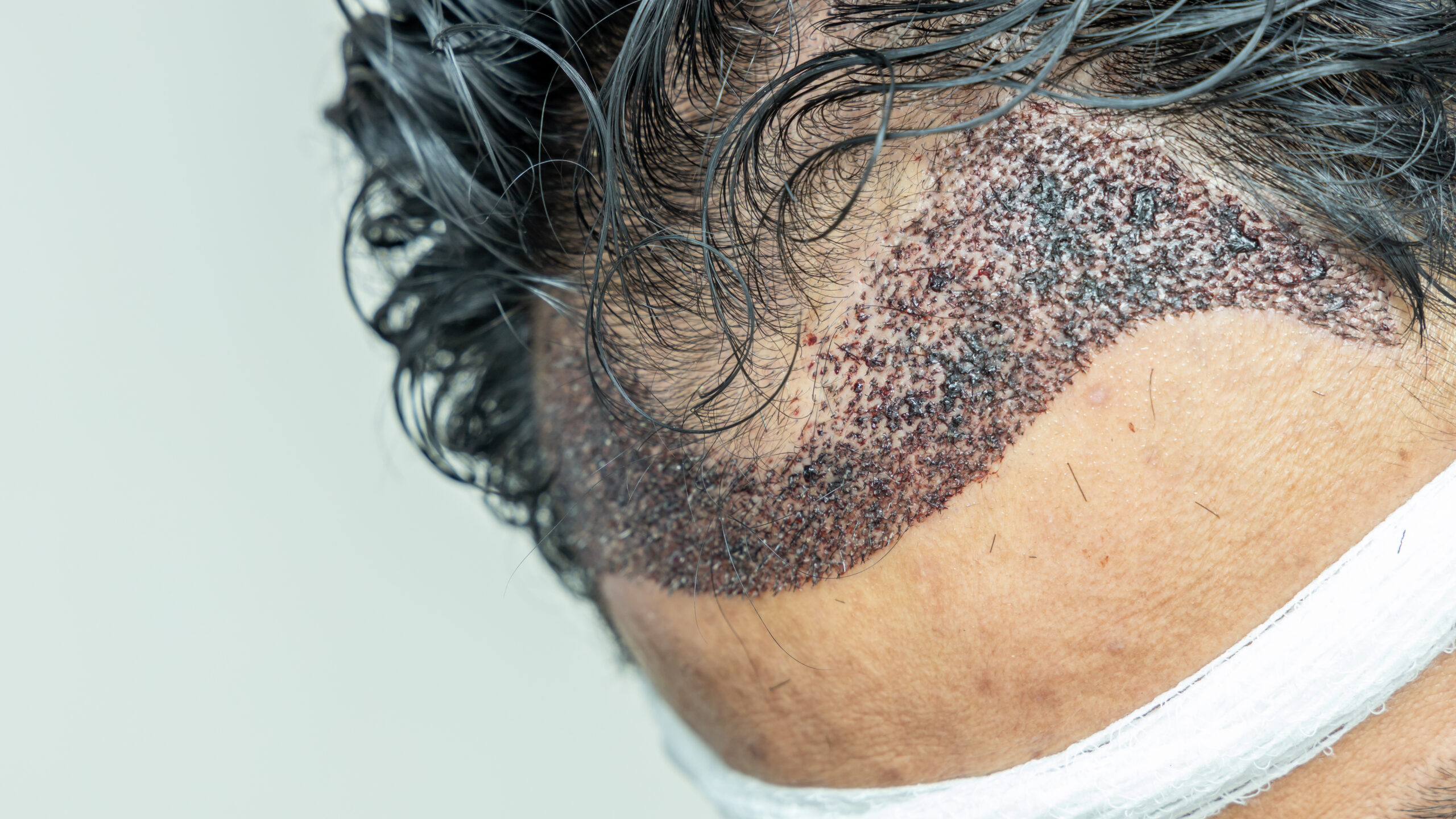
Motor-assisted FUE extraction
Motor-assisted systems use a powered handpiece with a small punch. They can make extraction faster, particularly in larger procedures. As with manual extraction, the quality of the result depends on how safely the grafts are removed and how well the donor area is managed.
How are grafts implanted?
After extraction, grafts are placed into the recipient area. Clinics may use pre-made channels, a stick-and-place approach, or an implanter pen. These methods differ in workflow, but none should be judged by name alone.
Pre-made channels
With this approach, recipient sites are created first and grafts are then inserted into them. The angle, direction and density of these sites play a major role in how natural the final result looks.
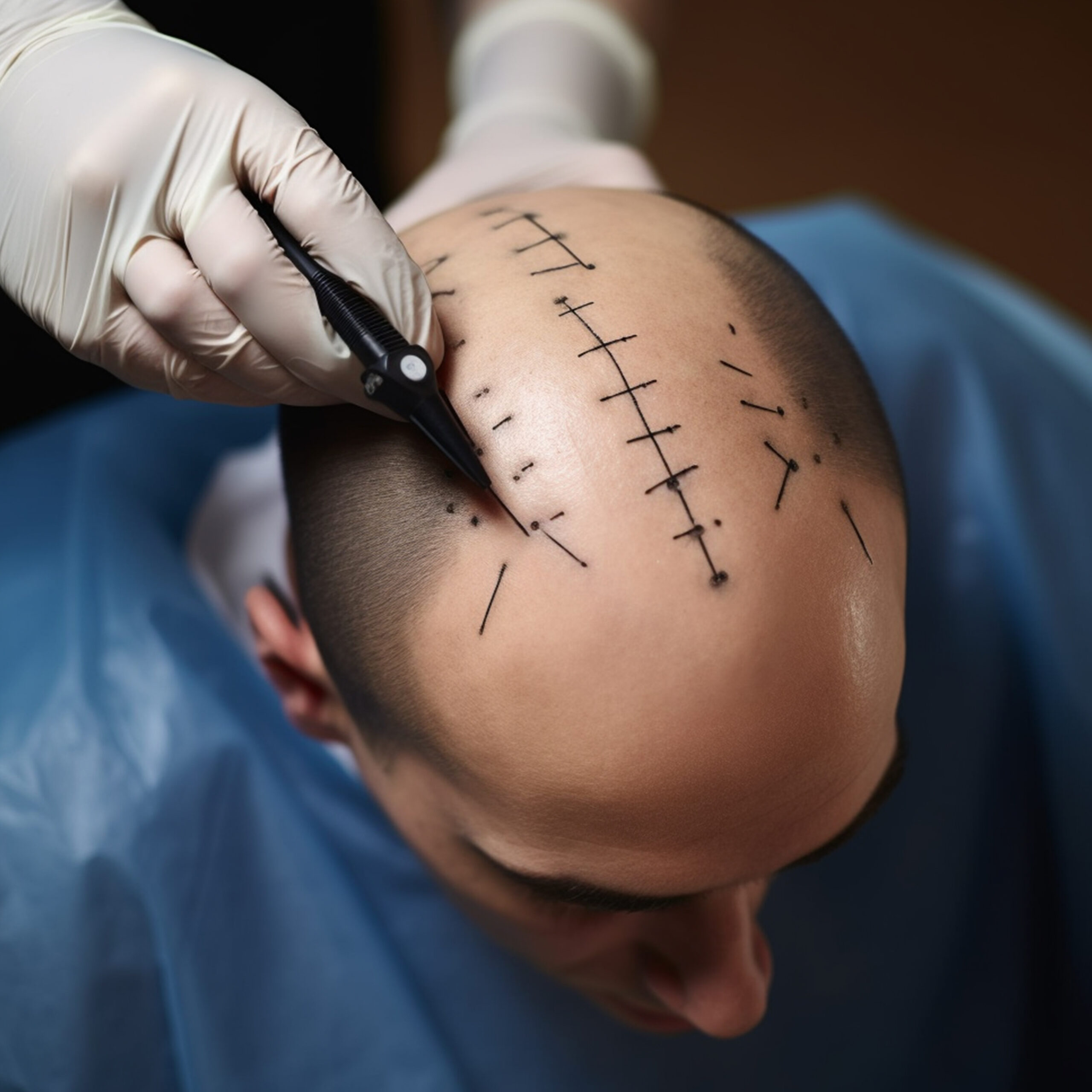
Stick-and-place or percutaneous placement
In a stick-and-place technique, a small opening is created and a graft is placed immediately afterward. This can allow close control over placement, but it is usually a slower process and requires a highly experienced team.
Some clinics and surgeons are particularly associated with this style of implantation. Examples discussed on our site include Dr. Zekeriya Kul. When comparing clinics, it is more useful to look at consistent patient results and donor management than to focus only on the label used for the technique.
What is DHI?
DHI is generally a form of FUE in which extracted grafts are implanted with a pen-like implanter device. The pen allows the practitioner to load and place grafts directly into the recipient area. It may be useful where precise placement is important, but DHI is not automatically better than other implantation methods.
What matters more is whether the treatment plan suits the patient’s hair-loss pattern, whether grafts are handled carefully, and whether the hairline, direction and density are planned realistically.
What is FUT?
FUT, or Follicular Unit Transplantation, uses a strip of scalp from the donor area. The strip is then divided into individual follicular units for transplantation. FUT leaves a linear scar in the donor area, which is one reason FUE has become more popular. Even so, FUT can still be considered in selected cases, especially when donor management is the main priority.
Be cautious with marketing names
Hair-transplant advertising often introduces names such as Ice FUE, Gold FUE, organic hair transplant, laser hair transplant or stem-cell hair transplant. These terms may describe a storage solution, an instrument, an additional treatment or a clinic’s own branding rather than a genuinely different method of extracting and implanting grafts.
That does not automatically mean every add-on is useless. The important point is to ask exactly what is being done, what evidence supports it, whether it changes the surgical plan, and whether there is an additional cost.
What about PRP and other add-on treatments?
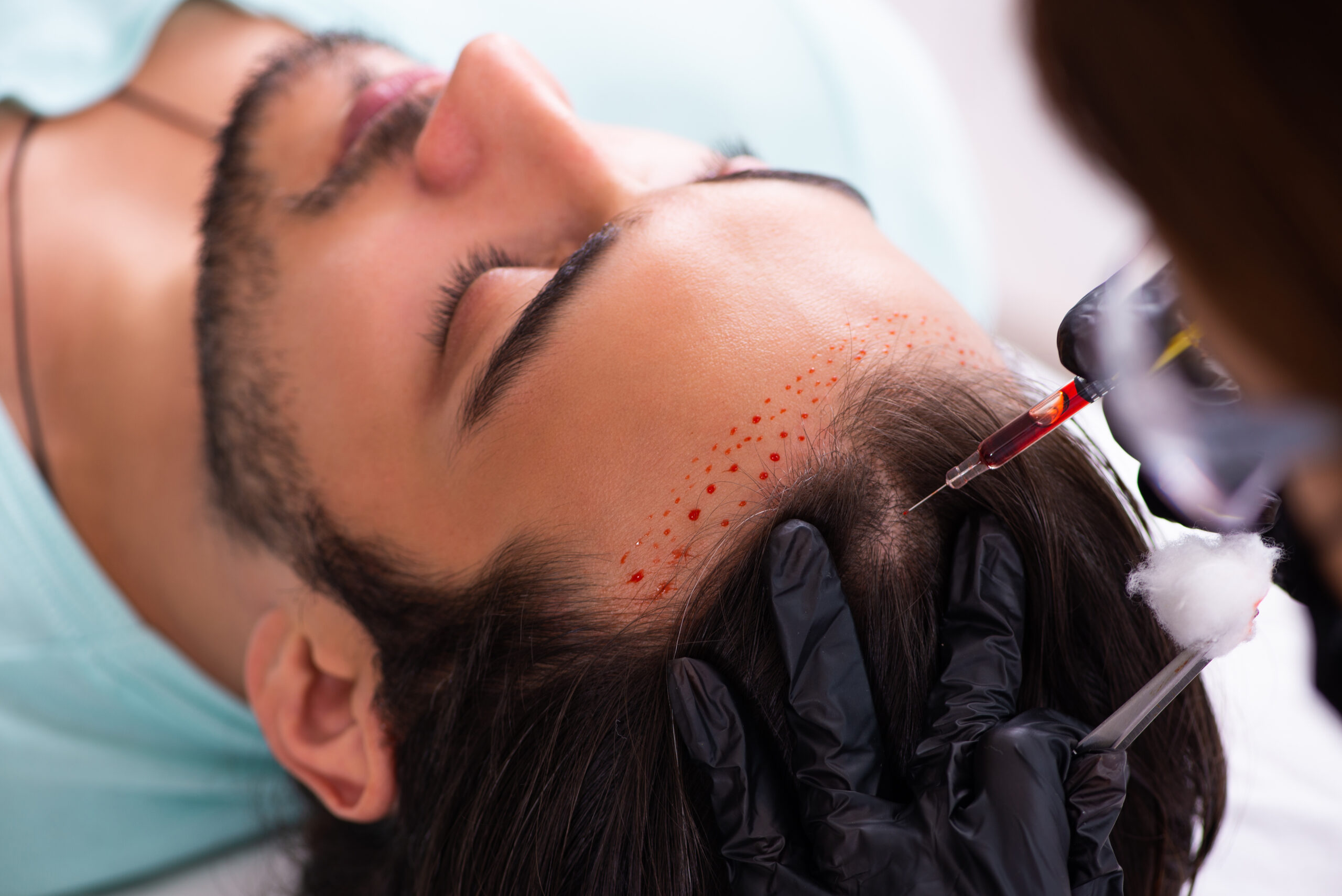
PRP is sometimes offered before or after a transplant as an additional treatment. It involves preparing platelet-rich plasma from the patient’s own blood and injecting it into the scalp. It should be viewed as an adjunct rather than as a separate hair-transplant technique.
The same principle applies to many other add-ons: they should not distract from the fundamentals of a good transplant—appropriate patient selection, conservative donor planning, careful graft handling and realistic expectations.
Which hair transplant technique is best?
There is no single technique that is best for everyone. A good plan may use FUE extraction with different implantation methods depending on the area being treated. In some cases DHI may be practical; in others, pre-made channels or a stick-and-place approach may be preferred.
If you are comparing options, focus on these questions:
- Who designs the hairline and treatment plan?
- Who performs the extraction and implantation steps?
- How is the donor area assessed and protected?
- How many grafts are realistically available?
- Can the clinic show results from patients with a similar hair-loss pattern?
- Are the technique names being used clearly, or mainly as marketing terms?
For a direct comparison of two of the most discussed methods, see our FUE vs DHI guide. You can also review our clinic selection guide before choosing a provider.
Frequently asked questions
Is DHI better than FUE?
Not necessarily. DHI usually still relies on FUE for graft extraction. The main difference is the implantation method. The best choice depends on the treatment plan and the team performing it.
Does FUE leave scars?
FUE does not create a single linear scar like FUT, but each extraction leaves a very small scar. Good donor management is important to keep these marks as discreet as possible.
Are “Gold FUE” or “Ice FUE” separate techniques?
Usually these are branding terms for tools, storage methods or clinic-specific protocols rather than separate surgical techniques.
Should I choose a clinic based on the technique it advertises?
No. The technique matters, but surgeon experience, donor planning, graft handling, hairline design and consistent patient results are usually more useful comparison points.