Asuman Hair 5000 Grafts: Early Patient Result

Patient-reported case archive: This archive documents an Asuman Hair transplant whose original page title records 5,000 grafts.
Case Summary
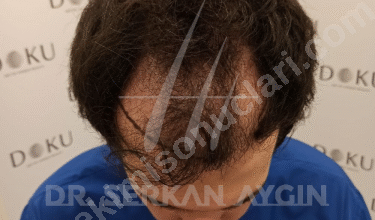
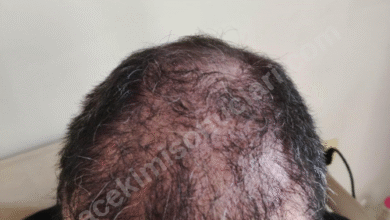
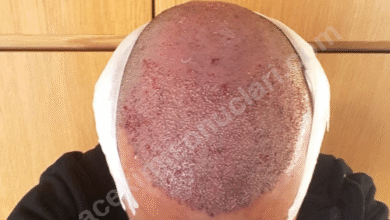
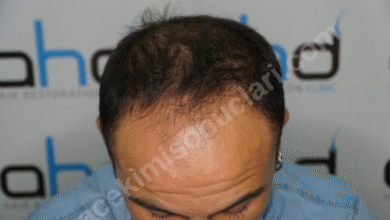
Photo-stage note: The available day-3 photographs document early healing and the transplanted area, not final density or lasting growth. Readers should avoid treating early images as proof of long-term outcomes. Review our clinic comparison guide for other questions to ask.
- Clinic: Asuman Hair
- Grafts: 5,000, according to the original page title
- Follow-up point: pre-transplant and day-3 photos
- Background: the patient reports about three years of hair-loss concern and extensive research before surgery
The day-3 photographs document an early healing stage, not the final cosmetic result. Swelling, crusting and short hair length can make early images difficult to compare with later growth. This case does not include enough long-term evidence to assess final density.
How to Interpret This Patient Case
This page is an archived patient case rather than a controlled clinical study. Graft count, technique, timing, pricing and patient impressions should be read as historical case details only where they were recorded in the original account. Hair-transplant outcomes vary with donor density, hair calibre, recipient-area size, surgical planning, healing and the progression of future hair loss.
When comparing this case with another result, look at the starting hair-loss pattern, donor appearance, lighting, hair length and the exact follow-up point. Early postoperative photographs mainly document placement and healing, while later photographs are more useful for judging cosmetic growth.
Useful Points to Compare
- Starting hair-loss pattern and donor density
- Reported graft count and recipient-area coverage
- Donor extraction pattern and visible thinning
- Hairline design, direction and density distribution
- Time elapsed between surgery and each photograph
The patient reported deciding on surgery after around three years of hair-loss concern and research, and shared photographs from before the transplant and day 3 after the procedure.
What Can Be Judged at Day 3?
Day-3 photographs mainly document the immediate postoperative stage. They can show the recipient-site distribution, early crusting and the donor extraction pattern, but they cannot show final density or growth.
Because the original page title records 5,000 grafts, donor management is especially important when reviewing the case. The early photographs are useful for documenting the procedure, while long-term outcome assessment requires later follow-up images.