Hair Transplant as a Long-Term Option for Hair Loss
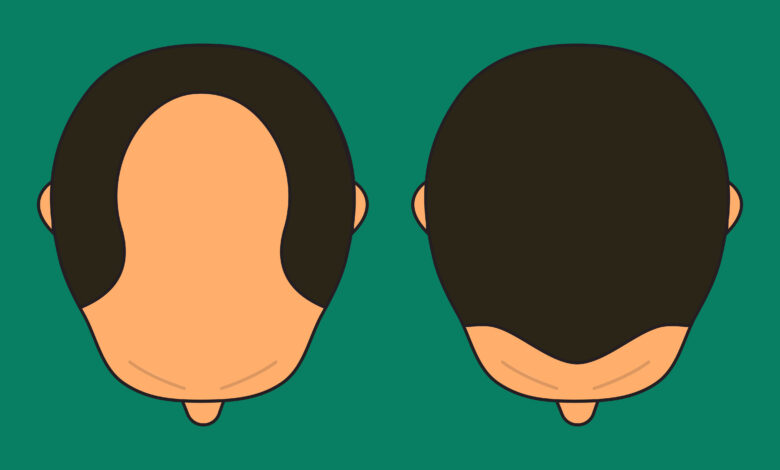
A hair transplant can provide lasting coverage for suitable patients, but it is not a cure for every cause of hair loss. Surgery redistributes existing follicles rather than creating an unlimited supply. This guide focuses on the long-term decision: what can be achieved, what may change later, and what to establish before committing to treatment.
Start with the diagnosis, not a promise of permanence
Hair loss has different causes, and the same procedure is not appropriate for all of them. The American Academy of Dermatology (AAD) explains why identifying the cause comes before choosing treatment. An assessment can distinguish pattern hair loss from other conditions and determine whether treatment, observation or surgery is appropriate.
Prepare a short history for the consultation: when the change began, which areas are affected, previous procedures, medicines and supplements, and any scalp symptoms. Do not treat an online graft estimate as a diagnosis.
What makes a long-term surgical plan different?
The AAD’s hair-transplant guidance identifies sufficient healthy donor hair and the ability to grow hair in the recipient area as important requirements. It also notes that hair loss can continue after surgery and that a dermatologist may discuss medication to help maintain results.
Ask the surgeon to explain the proposed design under more than one future scenario. What would it look like if the surrounding hair thinned further? Which areas are priorities now, and what donor reserve would remain? A larger initial graft count does not answer these questions. Our donor-area guide provides a framework for that discussion.
On small screens, scroll the table sideways. Keyboard: focus the table area and use the arrow keys.
| Decision | Ask the clinician | Keep in your records |
|---|---|---|
| Suitability | Why is surgery appropriate for this diagnosis now? | Assessment and alternatives discussed |
| Coverage | Which areas are being treated and which are not? | Agreed treatment-area diagram |
| Donor planning | What limits the proposed graft number? | Assessment method and estimated reserve |
| Future change | What happens if untreated hair continues thinning? | Review plan, without a promise of further surgery |
| Follow-up | Who will assess healing and later growth? | Named clinical contact and review schedule |
Separate early healing from the eventual result
The NHS describes shedding in the weeks after transplantation, new growth appearing around four months, and full results generally becoming visible at 10–18 months. This is general information, not a guaranteed timetable for an individual.
Keep the operation date, written reviews and photograph dates separate. Similar camera angles and styling make comparisons more useful, but photographs do not by themselves measure graft survival. Our patient-review guide explains how to interpret archived accounts.
Discuss the risks before paying
NHS guidance includes bleeding, infection, reactions to anaesthetic, noticeable scars and unsuccessful graft growth among possible problems. Ask how the treating team would respond and where you could be examined after returning home. Severe or unexpected symptoms after surgery need medical attention rather than an online photo comparison.
Use the complication guide to prepare questions, not to diagnose yourself.
Where non-surgical care fits
A transplant decision does not replace a discussion of non-surgical treatment. The appropriate options depend on the diagnosis and medical circumstances. Discuss benefits, limitations and side effects with a qualified clinician; do not start or stop prescription treatment because of another patient’s story.
Everyday conditioning and treatment of a diagnosed hair-loss disorder are different goals. This page does not recommend homemade mixtures, herbal rinses or vitamin ampoules as substitutes for assessment. See our hair-loss treatment overview for the distinction.
Before making the decision
Request a written plan that identifies the medical provider, responsibilities, treatment areas, price inclusions and follow-up. Compare the answers rather than promises of a permanent cure. The provider-verification checklist is the next step.
Editorial revision: 24 October 2026. Sources are linked beside the relevant information. This educational article has not been labelled as medically reviewed and does not replace an individual clinical assessment. Earlier unsupported home-remedy claims and unrelated ingredient pictures were removed from the article; media-library files were not deleted. Editorial approach.