Is Hair Transplant in Turkey Safe? A Patient Safety Checklist
The useful safety question is not whether every clinic in a country is good or bad. It is whether the specific provider can document an appropriate medical plan, identify the responsible physician and explain what happens if you need help afterwards.
Identify the provider and the treating physician
Ask for the legal name of the healthcare facility, its physical address and the name of the doctor responsible for the procedure. The sales brand, hotel package and medical provider may be different organisations. Keep that distinction clear in the quotation and consent documents.
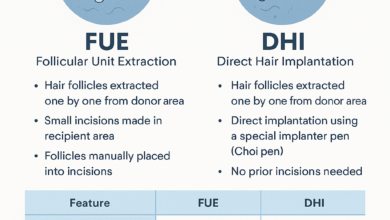
Request the doctor’s qualifications and ask who performs each surgical stage. Technique names such as DHI or Sapphire FUE do not answer this question. The ISHRS explains that DHI commonly describes implantation with a device, rather than a separate harvesting method.
Türkiye’s Ministry of Health publishes lists of authorised hospitals, medical centres, private practices and other healthcare providers. Use the official list relevant to the facility, compare the legal name and address, and check the current version. A facilitator’s authorisation is different from that of the healthcare facility providing treatment.
An authorisation entry is a verification step, not proof of a particular cosmetic outcome. If the clinic sends a certificate, verify the facility behind it rather than relying only on a logo in an advertisement.
Ask for a medical plan before paying
- What diagnosis explains the hair loss?
- How was the donor area assessed?
- Why is this graft range appropriate?
- Who designs the hairline, performs incisions and places grafts?
- How is future hair loss included in the plan?
- What changes if fewer grafts can be obtained safely?
A quote based on photographs can be preliminary. Clarify what remains subject to examination and avoid interpreting a remote estimate as a complete assessment.
Make the aftercare agreement explicit
Ask for scheduled reviews, an urgent contact and the procedure for arranging care after returning home. Establish whether follow-up means messaging only or access to a clinician. Keep a copy of the procedure details for any local clinician who may need them.
For further questions to discuss with your clinician before booking, see our pre-booking checklist. Do not wait for a routine photo review if a symptom needs urgent medical attention.
Recognise booking pressure
Pause if the provider will not identify the doctor, refuses to discuss limitations, promises unlimited grafts or makes a discount depend on an immediate deposit. One unclear answer is a reason to ask more questions; it is not evidence by itself that a clinic is unsafe.
Compare written medical plans using our clinic comparison guide. Hotel quality and transfer services can make travel easier, but they do not establish surgical competence.
Use patient cases carefully
Look for patients with similar starting conditions, clear follow-up dates and donor photographs. Ask how cases were selected and whether images show medication or additional surgery. Our historical patient archive records individual experiences; it does not measure a clinic’s average success rate.
A practical pre-deposit check
Save the legal provider details, physician name, written medical plan, package inclusions, refund terms and follow-up agreement. If these documents disagree, resolve the discrepancy before transferring money. This checklist supports research; only a clinical assessment can determine whether surgery is suitable for you.
Sources and editorial information
- Türkiye Ministry of Health: authorised healthcare providers
- ISHRS: terminology and surgical responsibility
Sources checked: 12 October 2026. Read our editorial approach. This is an educational overview, not a diagnosis or a personalised postoperative or medication plan.