Does Hair Color Affect Hair Transplant Results?
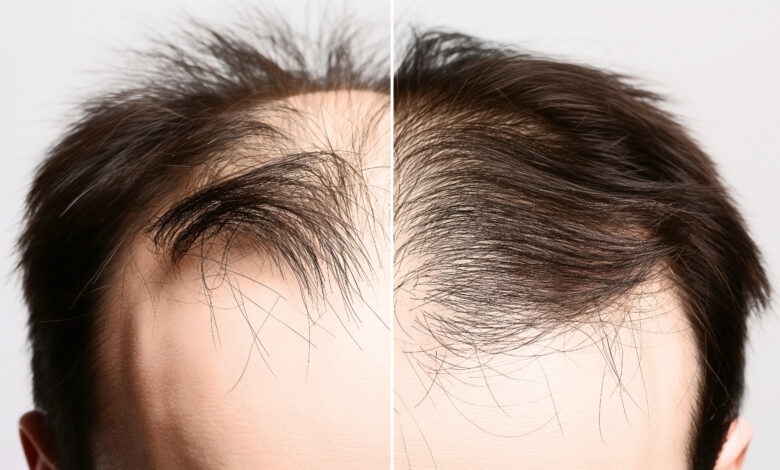
How Hair Color Changes the Appearance of Density
Hair color alone is not a measure of transplant success. What matters visually is how much the scalp contrasts with the surrounding hair, together with hair shaft thickness, curl, styling and lighting. For example, a strong contrast between dark hair and a lighter scalp can make spaces between hairs more noticeable.
Frequently Asked Questions About Hair Color and Transplantation
Hair color does not determine whether transplanted follicles will grow, but it can affect how dense the final result looks. Hair-to-scalp contrast, shaft thickness, curl, donor supply and graft placement all influence perceived coverage.
How Long Does It Take to See a Hair Transplant Result?
Early shedding of transplanted hairs is common after surgery. New growth develops gradually, and most patients see substantial results around 6–9 months, while some need about 12 months for the result to mature. Aftercare supports healing, but it does not reliably compress normal hair-growth biology into a 4–6 month final result.
How Long Does a Hair Transplant Procedure Take?
Procedure time varies with graft count, technique, team workflow and patient factors. A longer or shorter session by itself does not determine quality. More important considerations include appropriate donor management, careful graft handling, natural placement and clear postoperative instructions. See our hair transplant guide for a broader overview.

Does Hair Color Affect the Visual Result?
Transplanted follicles generally retain the biological characteristics of the donor hair, including its tendency toward pigmentation and graying. Hair color can change naturally with age, and the main visual issue is contrast between the hair and scalp rather than color determining graft survival.
What Matters More Than Hair Color?
- Donor-area density and hair caliber
- Hair curl or wave
- Hair-to-scalp contrast
- Size of the thinning area
- Graft survival and distribution
- Progression of the underlying hair loss
How Should You Compare Hair Transplant Prices?
Price is only one factor. Compare who performs the key surgical steps, the clinic’s medical supervision, donor-area planning, the technique recommended for your pattern of hair loss, follow-up arrangements and realistic before-and-after examples. Avoid choosing a clinic solely because it offers the lowest package price. See our clinic-selection guide.
Practical Ways to Assess Visual Density
When comparing results, look at photographs taken with similar lighting, hair length, styling and camera angles. Wet hair and strong overhead light often make the scalp more visible, regardless of hair color. A surgeon should assess donor capacity, hair shaft characteristics and the extent of thinning before discussing a realistic coverage plan.
Changing hair color or using cosmetic fibers may temporarily alter contrast, but neither changes graft survival. If hair loss is progressing, discuss ongoing management separately from cosmetic styling.
Key Takeaway
Hair color can change how dense a transplant appears because contrast affects scalp visibility, but it is not a direct predictor of graft survival. Donor density, shaft caliber, curl, graft distribution and long-term hair-loss progression usually matter more.