Scalp Micropigmentation: Hair Simulation Explained

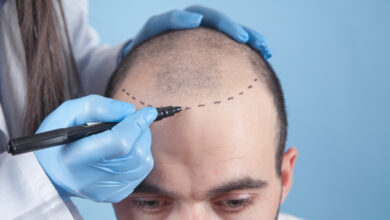
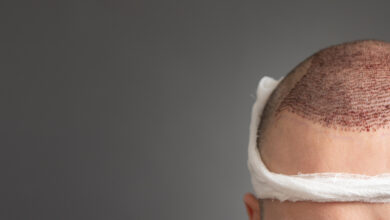
Scalp micropigmentation, sometimes called hair simulation, uses pigment to create the visual impression of closely shaved hair or greater density. It does not produce new hair growth. Results depend on pigment placement and practitioner technique, and people should discuss hygiene, infection risk, pigment changes and possible touch-ups before treatment.
Scalp micropigmentation creates a cosmetic illusion of closely cropped follicles or reduced scalp contrast. The result depends on hairline design, pigment choice, dot size, placement depth, hygiene standards and practitioner skill.

What Materials and Equipment Are Used for Scalp Micropigmentation?
Scalp micropigmentation uses specialized pigments and fine needles to place small deposits in the upper layers of the scalp. Pigments and techniques vary by provider, so ask what product is being used, whether it is intended for scalp micropigmentation, and what hygiene and sterilization standards are followed. No cosmetic pigment should be described as universally risk-free.
Needle quality, sterility, pigment choice, practitioner training, and technique all influence safety and appearance. Rather than focusing on a single material claim, confirm that sterile single-use equipment is used and that the practitioner follows appropriate infection-control procedures.
How Is Scalp Micropigmentation Different From a Traditional Tattoo?
Scalp micropigmentation and decorative tattooing use related techniques, but their goals are different. SMP aims to imitate closely cropped follicles or reduce scalp contrast, so dot size, color matching, depth, and hairline design are especially important. Like other procedures that break the skin, it can carry risks such as infection, allergic reaction, scarring, or an unnatural result.
Who May Consider Scalp Micropigmentation?
Scalp micropigmentation may be considered by both men and women, but it is not suitable for everyone. Active scalp disease, certain scarring tendencies, allergies, unrealistic expectations, or unresolved hair-loss causes may require medical assessment before treatment.
SMP may be considered by people with diffuse thinning, visible scalp contrast, selected scars or a closely shaved appearance goal. It can make the scalp look less visible, but it does not create new hair and the result should be judged as camouflage rather than regrowth.
For people with extensive hair loss, SMP can be designed to imitate a very short shaved style. The visual effect varies with skin tone, remaining hair, scar pattern and practitioner technique, so realistic expectations are important.
How Long Does Scalp Micropigmentation Last?
SMP is semi-permanent and usually fades gradually rather than disappearing on a fixed schedule. Longevity varies between people and techniques, and some patients choose periodic touch-ups as the pigment lightens.
Sun exposure, skin characteristics, pigment choice, technique and aftercare can all affect how long the appearance lasts. Ask the provider what level of fading and touch-up schedule is typical for their work.
Setting Realistic Expectations
Scalp micropigmentation changes appearance rather than follicle count. Discuss a design that will still look appropriate if surrounding hair thins further, and compare healed examples under natural light. Touch-ups or corrections may be needed, while removing unwanted pigment can be difficult. Written information about pigment, infection prevention and aftercare is important before treatment.
Choosing Between SMP and Medical Treatment
Scalp micropigmentation can reduce visible contrast but cannot treat follicle miniaturization or stop new hair loss. People with ongoing thinning may need a separate medical assessment to discuss the cause and available treatments. Consider how the cosmetic design would look if nearby natural hair continued to thin.
Questions to Ask Before Booking
- What pigment system do you use, and is it intended for scalp micropigmentation?
- Do you use sterile single-use needles?
- Can I see healed results, not only same-day photos?
- How do you plan the hairline, shade and dot size?
- What aftercare and touch-up plan is included?
If you are comparing SMP with surgery, see our hair transplant guide and guide to SMP after hair transplantation.
When to Seek Medical Advice First
- Rapid or unexplained hair loss
- Active scalp inflammation, infection or open wounds
- A history of problematic scarring or keloids
- Uncertain diagnosis or ongoing treatment for scalp disease
In these situations, a medical assessment should come before a cosmetic camouflage procedure.
What Should You Expect After Scalp Micropigmentation?
Aftercare varies by provider and technique. Temporary redness or tenderness can occur, and patients are commonly advised to follow specific instructions about washing, sweating, sun exposure, and touching the treated area during the early healing period. Follow the practitioner’s written aftercare guidance rather than assuming no precautions are needed.
Scalp Micropigmentation, Hair Transplant or Hair System?
The best option depends on your diagnosis, donor supply, styling preferences, tolerance for maintenance and expectations. Hair transplantation moves existing follicles, SMP changes the visual contrast of the scalp, and hair systems provide non-surgical coverage. A medical assessment can help determine whether surgery is appropriate before comparing cosmetic alternatives.
How Scalp Micropigmentation Pricing Is Usually Determined
Pricing is commonly influenced by the size of the area, whether scars need camouflage, the number of sessions, practitioner experience, location and whether future touch-ups are included. Ask for a written quote that explains what is included instead of comparing only a headline price.