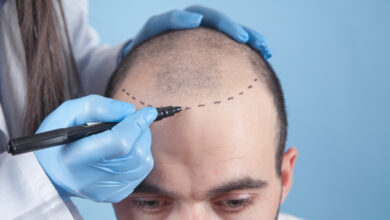
Hair Transplant Guide: Procedure, Recovery & Results

Are you noticing persistent or progressive hair loss?
Did your hair loss begin at a relatively young age?
Hair loss is common, but the right approach depends on the cause, degree of loss, donor supply and long-term goals. Hair transplantation can improve coverage for selected patients, but it does not cure every form of hair loss or stop future thinning in untreated native hair.
This guide explains the general surgical process, donor harvesting, recovery and questions to discuss with a clinician. It is not a country-specific clinic ranking or price list. For provider checks and travel planning, use our Turkey planning guide; for quotations, use the separate cost guide.
Medical background: The NHS patient guide covers the procedure and recovery, while the ISHRS surgical overview explains harvesting and implantation terminology. These sources provide general information, not approval of a particular clinic.
1. A Brief History of Hair Transplantation
Modern hair-restoration surgery developed over several decades. Early work in Japan explored moving hair-bearing tissue, while later research in the United States helped establish the principle that transplanted donor hair can retain characteristics of the donor area. Surgical techniques then evolved from larger grafts and strip harvesting toward follicular-unit approaches and smaller punch extraction methods.
Today, hair transplantation is generally planned around donor availability, natural hairline design, graft handling and long-term progression of hair loss rather than a single technique label.
For understanding a proposed operation, distinguish the harvesting method from the implantation tools. ISHRS describes FUE and strip harvesting as donor-harvesting approaches, with separate ways to place grafts into recipient sites. Our FUT versus FUE comparison explains that distinction. A marketing name is not a substitute for a written description of the planned surgery.

2. Why Hair Loss Happens
Hair grows in cycles, and some shedding is normal. Persistent thinning can have many causes, including androgenetic alopecia, telogen effluvium, autoimmune conditions, nutritional deficiencies, thyroid disease, scalp disorders and medication effects. The pattern and duration of loss matter, so diagnosis should come before deciding on treatment or surgery.
Stress and Insomnia
Significant physical or emotional stress can contribute to temporary shedding in some people, but persistent hair loss should not automatically be attributed to stress. Ongoing or unexplained shedding warrants medical assessment.
Hormonal Changes
Hormonal changes can affect hair growth, including around pregnancy, menopause and endocrine disorders. Menstrual cycles alone should not be assumed to explain significant hair loss; persistent thinning should be evaluated in context.
Physical Changes
Illness, thyroid disorders, some medications, iron deficiency and other nutritional problems can contribute to shedding in some patients. Testing and treatment should be guided by symptoms and clinical assessment rather than routine supplementation.
Hair and Scalp Products
Harsh products can irritate the scalp or increase breakage, but shampoo is not a typical cause of permanent androgenetic hair loss. Choose products that your scalp tolerates and seek medical assessment for persistent shedding, patchy loss or scalp inflammation.
3. Hair Transplant in Turkey
Turkey has become a major destination for hair transplantation because of its large clinic market, international-patient services and competitive package pricing. Quality varies between providers, so patients should compare physician involvement, donor planning, follow-up and documented results rather than choosing on destination or price alone. See our clinic comparison guide for a structured way to evaluate options.

4. Hair Loss in Men
Male-pattern hair loss is commonly related to androgenetic alopecia, but men can also experience shedding from other causes. The pattern, speed of progression, scalp findings and medical history all matter. Women can also develop pattern hair loss and other forms of thinning, so diagnosis should come before deciding on surgery.
5. Hair Transplant Techniques
How is Hair Transplant Done?
Hair transplantation generally involves harvesting follicular units from a donor area and placing them into recipient sites. The two established harvesting approaches are FUE and FUT, while implantation methods and tools can vary between clinics.
FUE METHOD
In FUE, individual follicular units are removed with small punches, usually from the back and sides of the scalp. The donor area is typically numbed with local anesthesia. FUE avoids a linear strip scar, but it still leaves many small extraction scars and donor capacity remains limited.

FUT METHOD
In FUT, a strip of donor scalp is removed surgically and divided into follicular units under magnification. FUT typically leaves a linear scar but remains an established option in selected patients; it has not disappeared from modern practice.
6. What to Discuss Before a Hair Transplant
Preoperative Planning
Before surgery, give the clinic an accurate list of your medications, supplements, allergies and medical conditions. Follow the written instructions from the treating team about eating, alcohol, smoking, caffeine and scalp products.
Do not stop prescription medicines, antidepressants, anticoagulants, antiplatelet drugs or other regular treatment on your own. Any medication change should be agreed with the prescribing clinician and transplant team because the risks differ between patients.
7. Recovery and Aftercare
Get a written postoperative plan before leaving the clinic. The ISHRS FUE guide notes that washing, bandages, water exposure and return-to-exercise instructions vary between surgeons. The questions below organise that plan; they are not a substitute schedule.
Washing, dressings and protection
Confirm when and how to wash, which products to use, whether a dressing needs removal, and how to avoid pressure or friction while sleeping. Ask who will demonstrate the first wash and whom to contact if the instructions are unclear. Record advice about hats and sun exposure rather than assuming another patient’s routine applies.
Medicines and return to activities
Keep a written medicine list with the dose, timing and prescribing clinician. Do not start, stop or change treatment based on a forum account. Ask for individual guidance on work, exercise, swimming, saunas and travel; arrange your plans around the clinical advice, not an advertised holiday itinerary.
Symptoms that need clinical advice
The NHS advises contacting the treating clinic promptly for severe pain or unexpected symptoms. Ask in advance which symptoms need an examination and where you can obtain care after returning home. Rapidly worsening or emergency symptoms should not wait for a routine remote photo review. See our complication guide for further questions to discuss with a clinician.
Follow-up records
Keep the procedure summary, operation date, written reviews and dated photographs together. Record whether a photograph shows early healing or later growth rather than treating them as interchangeable evidence. Our patient-photo evaluation guide explains the limits of these comparisons, and the travel checklist covers records and contacts to take home.
8. Is Hair Transplant Painful?
Hair transplantation is usually performed under local anesthesia. The injections used to numb the scalp can be uncomfortable, while the procedure itself is generally better tolerated once the area is numb. Pain experience varies between patients. See our hair transplant pain guide for more detail.
9. Hair Transplant Costs
Hair-transplant pricing varies widely. Very low prices should not be evaluated in isolation; compare medical responsibility, surgeon involvement, donor planning, hygiene, aftercare and what is included in the quote.
The final cost can vary with graft requirement, technique, clinic model and package inclusions. For current pricing context, use our hair transplant cost in Turkey guide rather than relying on an old fixed price range.

10. Possible Risks and Side Effects
For related planning information, see our hair transplant cost in Turkey guide, donor-area guide and clinic comparison guide.
Possible Side Effects
Hair transplantation is not risk-free. Possible problems include bleeding, infection, swelling, temporary numbness, scarring, poor growth, unnatural graft direction, donor overharvesting and uneven density. Risk varies with patient factors, technique, planning and surgical execution.
Loss of Feel
Temporary numbness or altered sensation can occur in donor or recipient areas after either FUE or FUT. Persistent or worsening sensory changes should be discussed with the treating clinician.
Scarring
Scarring depends on the harvesting and implantation technique, individual healing and surgical execution. FUT typically leaves a linear donor scar, while FUE produces multiple small extraction scars.

Unnatural Graft Angles or Cobblestoning
An unnatural appearance can result from poor graft direction, spacing, depth or recipient-site design. Raised or uneven skin texture can also occur in some cases and should be assessed by an experienced clinician.
Cyst
Small cysts or folliculitis can occasionally occur during healing. Persistent, painful or enlarging lesions should be assessed by a clinician rather than self-treated.
Bleeding
Minor bleeding can occur during or after surgery. Do not stop anticoagulant or antiplatelet medication on your own; any medication changes before surgery should be discussed with the prescribing clinician and transplant team.
Infection
Infection is uncommon but possible whenever the skin barrier is disrupted. Increasing redness, warmth, swelling, discharge, fever or worsening pain should prompt medical review.